Biophilic Design in Modern Architecture
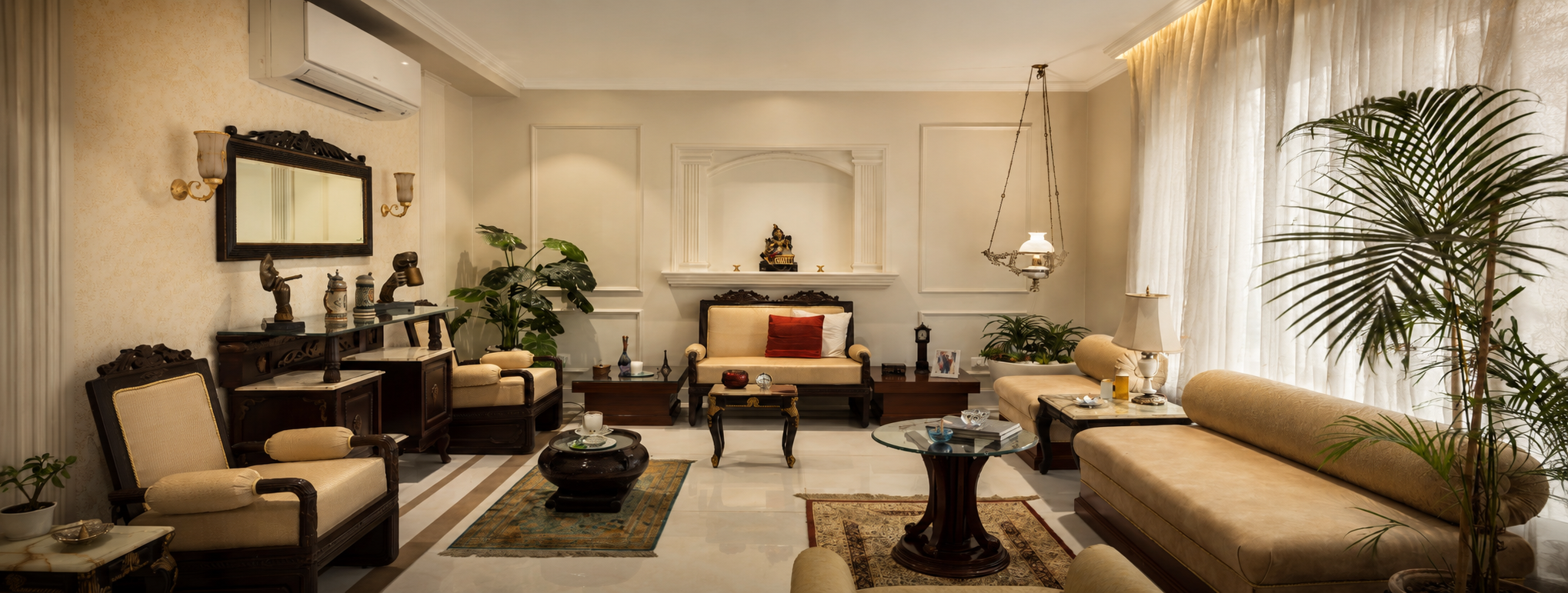
Biophilic design is an innovative approach that seeks to connect building occupants more closely to nature. The concept has gained tremendous momentum in modern architecture, driven by a growing body of research demonstrating the health, environmental, and economic benefits of incorporating natural elements into the built environment.
What is Biophilic Design?
Coined by Edward O. Wilson in 1984, the term “biophilia” refers to the innate human tendency to seek connections with nature. Biophilic design translates this concept into the built environment through strategies like natural lighting, ventilation, landscape features, and other elements that evoke the natural world.
Key Principles
At ANA, we integrate biophilic design through several key strategies:
- Natural Light Optimization: Maximizing daylight penetration through strategic window placement, skylights, and light wells
- Material Honesty: Using natural materials like stone, wood, and clay in their authentic forms
- Indoor-Outdoor Flow: Creating seamless transitions between interior spaces and landscapes
- Water Features: Incorporating water elements for their calming visual and auditory properties
- Living Walls: Vertical gardens that purify air while adding visual richness
Impact on Wellbeing
Research consistently shows that biophilic design can reduce stress by up to 15%, enhance creativity by 15%, and improve overall wellbeing by 6%. In commercial settings, productivity improvements of 8% have been documented, alongside a 13% increase in cognitive function.
As architects, we believe that the spaces we create should not merely shelter their inhabitants but actively contribute to their physical and mental health. Biophilic design offers a rigorous, evidence-based framework for achieving this goal.